Audemars Piguet’s Royal Oak Joaillerie
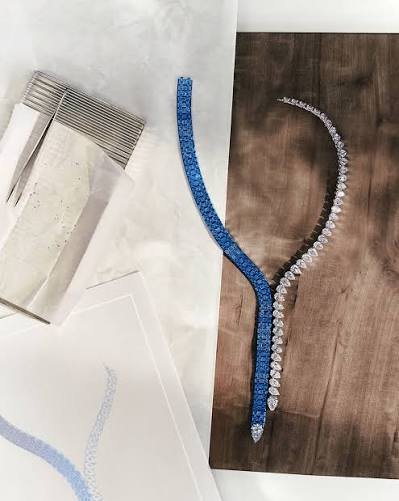
Photo courtesy of @audemarspiguet on Instagram
The Strategy: How a watchmaking icon turned an organic consumer habit into a high-margin, standalone jewellery franchise.
When Audemars Piguet unveiled Royal Oak Joaillerie in Paris, market commentary focused entirely on gemstone carats. Underneath the marketing gloss, however, the launch represents a masterclass in cross-functional luxury strategy: translating organic client behaviour into a scalable product architecture.
Key Business Takeaways
Observational CRM: CEO Ilaria Resta tracked how clients stacked the 23 mm Royal Oak Mini as jewellery, transforming raw behavioural data into a closed-door co-creation workshop ("Éclat") in Hong Kong before a public reveal.
Decoupling Production Constraints: Moving into standalone high jewellery shifts manufacturing bottlenecks away from scarce, master-watchmaker mechanical movements and into flexible precious metal and gemstone supply chains.
The Barbell Portfolio Play: Deploying ultra-complex statement pieces (like the 63-carat Dream of Joux tie necklace) to build editorial gravity, while anchoring commercial volume in familiar Frosted Gold finishes.
Controlled Distribution: Restricting the initial roll-out to just 20 AP Houses and boutiques globally mimics an exclusive travel retail drop strategy, driving high-net-worth foot traffic and creating controlled scarcity.
Want the complete multi-disciplinary breakdown covering marketing mechanics, supply chain strategy, and competitive risk analysis?
[📥 Download the Full Case Study PDF (3 Pages)]
