From Yoga Mats to Touchdowns: How Lululemon’s NFL Partnership Misses the Mark
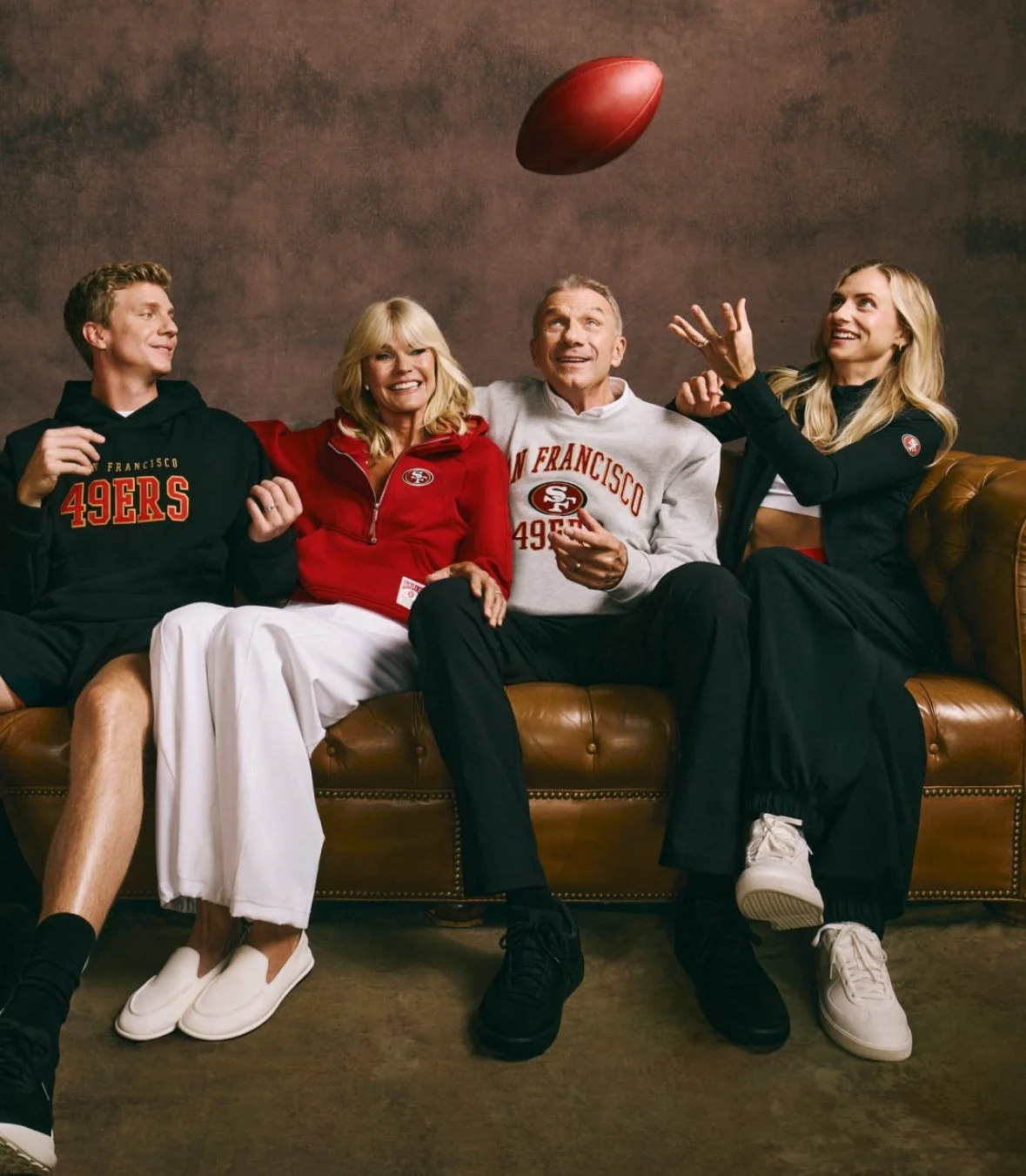
Photo courtesy of @Lululemon & @NFL
When mindfulness meets masculine performance, the result is a branding identity crisis.
The Curious Case of a Collab No One Asked For
When referring to the most expensive yoga pants that have persuaded thousands of consumers to pay over $100 for athletic clothing, although cheaper options are available, one brand definitely comes to mind: Lululemon.
Although Lululemon started in 1998 as a small yoga studio in Vancouver, it soon became a global athleisure market leader thanks to the right positioning, community building, and cultural storytelling. Lululemon was not only selling leggings but also a lifestyle consisting of self-discipline and mindful ambition.
At the heights of its success, the brand employed a very precise strategy: ✨ A lifestyle, not a logo. The “manifesto” bags and simplistic visuals turned Lululemon into an idea of performance living. ✨ Community as currency. Retail outlets functioned as yoga centres, thus winning loyalty through inclusion, not through advertising. ✨ Premium experience. High-tech fabrics, body-flattering cuts, serene retail design, every aspect was planned carefully.
Lululemon did not just keep up with culture; it was the one that set the pace. This is precisely the reason why the newly formed collaboration with the NFL seems so unnatural: it exposes the distance the brand has travelled away from its core strengths.
When Identities Don’t Intersect
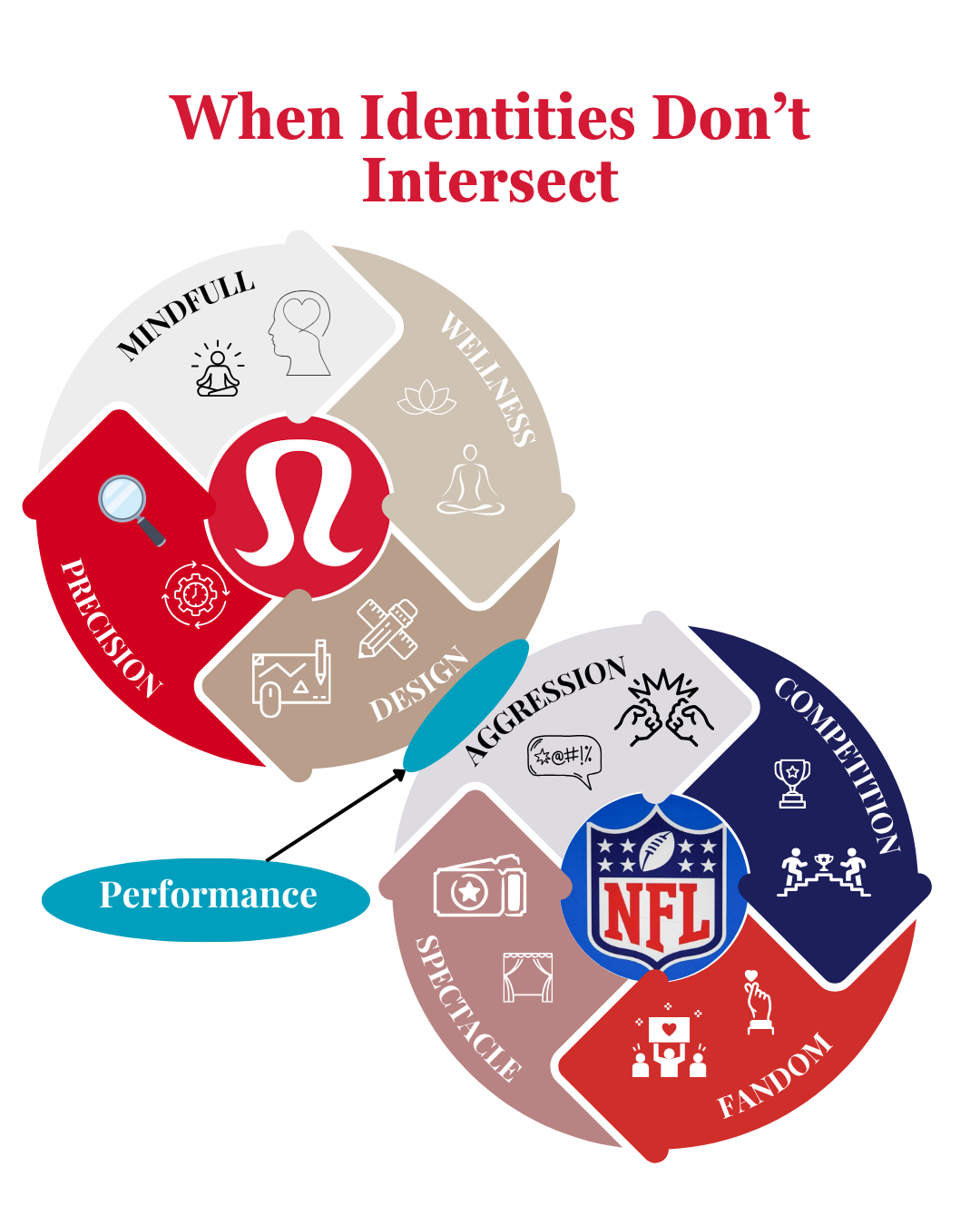
The essence of Lululemon is concentrated on focus, flow, and inner alignment. And the essence of the NFL? Competition, aggression, and show.
Theoretical? The difference between the two could have caused an electric spark; opposites would have been enlarging the definition of athletic excellence. However, as far as the collaboration goes, it is no more than a surface thing.
Align leggings and Scuba hoodies with NFL branding do not reflect any narrative; rather, they are just mere stamping works. There is no creative tension. No reinterpretation. Just Lululemon's plain items with sports teams' insignia. What was supposed to be a cultural bridge came out as co-branding rather than collaboration.
Renting Relevance Instead of Building It
This partnership is not an innovative move; it's a strategic acknowledgement: Lululemon is no longer at the forefront of the culture; it is merely following it.
Tapping into the brand power of a super-masculine, mass-market entity like the NFL is a clear sign of a creative source that is finally giving up.
For many years, Lululemon had the strength of what it stood for: self-discipline, harmony, and being deliberate. However, it seems to be now relying on somebody else's brand heat for its identity.
Let’s put it bluntly: the company is in a debt of relevance. Every time you import cultural relevance instead of making it yourself, you also weaken the power of your brand. Whenever something is created, it becomes equity that breeds more and more. On the other hand, borrowing gives you only a short-lived spike in audience, and when the license is over, the borrowed audience is gone too.
Once upon a time, Lululemon was the very icon of conscious consumption. Now it has again resorted to the oldest stratagem in the marketing world, which is sports licensing. This will not extend the brand but rather weaken it. Lululemon seems to be a company whose very core is slowly but surely being lost instead of expanding its universe.
The Playbook of Decline
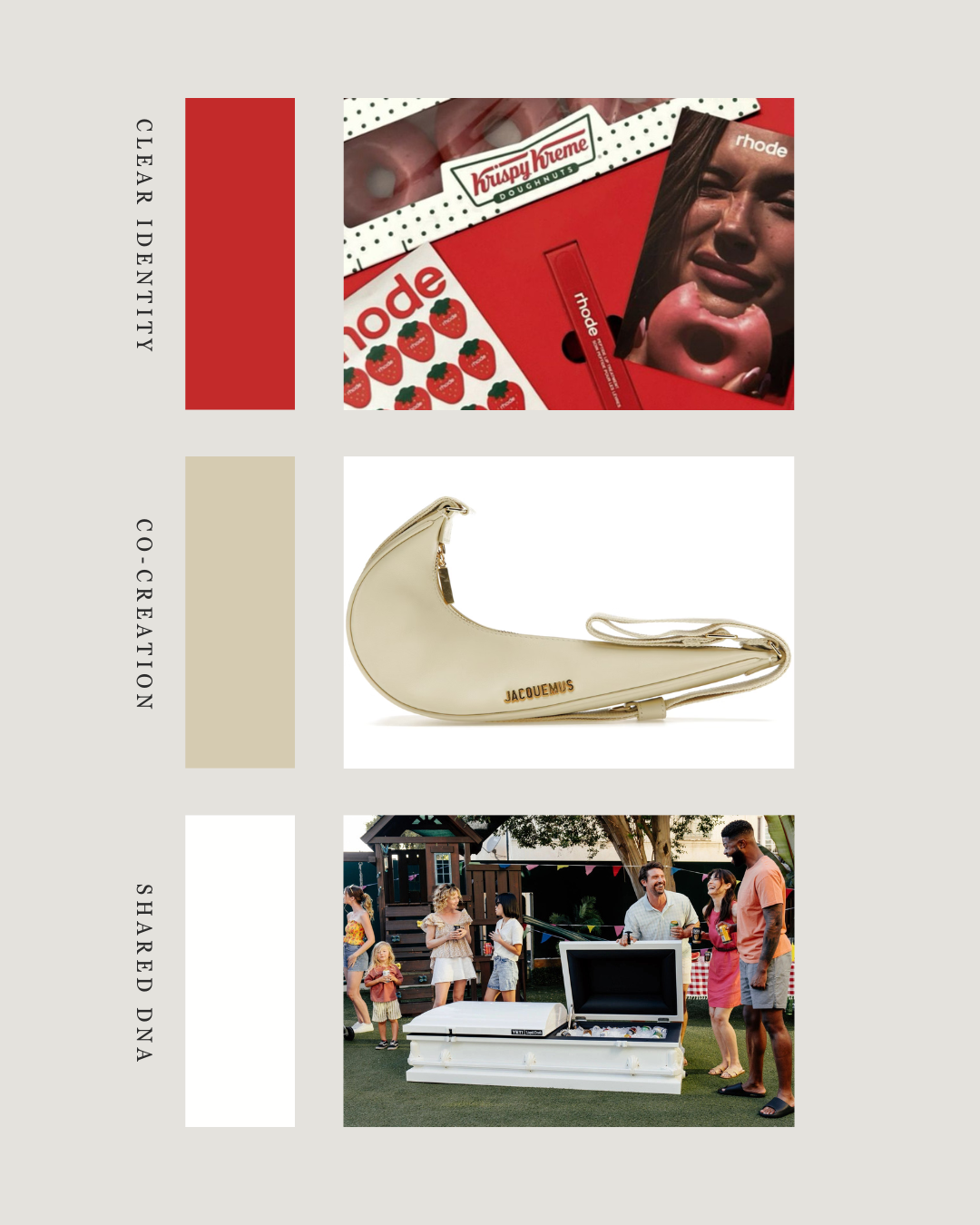
Sports licensing is very attractive: simple, friendly to public relations, and without risks. However, it mainly indicates that the company is getting tired of its creative ideas. Other companies, for example, Rhode x Krispy Kreme, Jacquemus x Nike, Liquid Death x Yeti, have shown that collaborations can create value if both partners bring their identities. All of them were successful because they produced new items and meanings.
Lululemon’s collaboration with the NFL? It’s nothing but a logo on their products. A merch drop that has been hyped up. The company’s stock price has fallen by almost 50% this year alone. It’s not a mere fluctuation; it’s a signal. The brand’s loyal customers are feeling disconnected. If you become a brand that everyone recognises, you will eventually lose your essence.
The Cost of Borrowed Equity
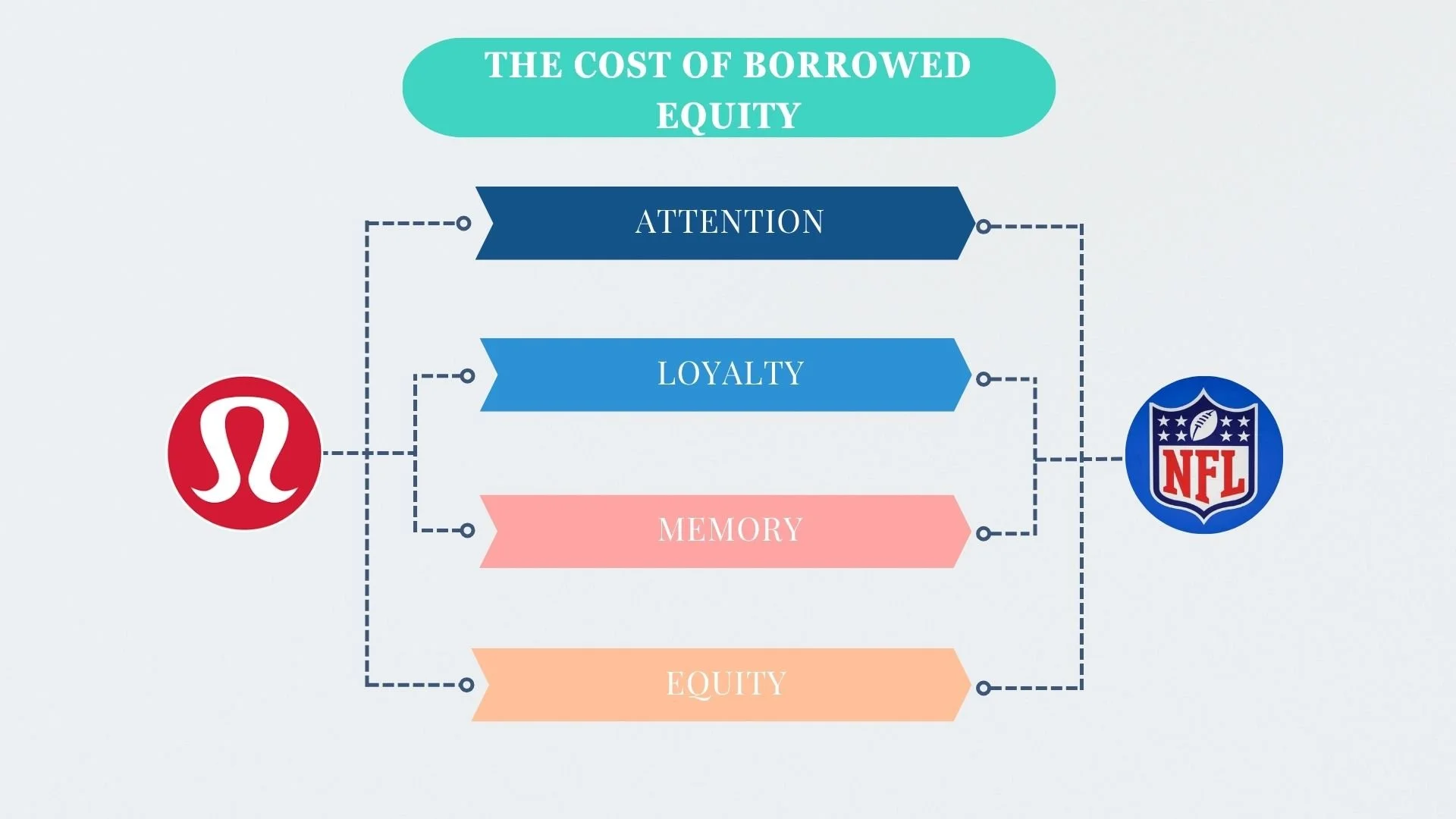
The main drawback of this decision is not measured by lack of sales but by deterioration of the brand's image. Every time a customer sees Lululemon through the lens of the other brand, he or she remembers the other brand first. In this case, the NFL is getting the loyalty, attention, and emotion, while Lululemon is totally disregarded. That’s an encounter with the brand at a very low level. When your brand’s attractiveness is linked to someone else’s cultural power, it’s no longer your brand; it’s rented attention.
To start anew, Lululemon should reflect on the following: -> When did we stop being the trendsetters and become the followers? -> What is still in line with our DNA, and what is not? -> Why are we making cultural events for others instead of for ourselves? Relevance cannot be taken on loan. It has to be rebuilt, from the inside out.
The Bottom Line
The NFL partnership makes Lululemon look busy, with plenty of press, buzz, and visibility. But beneath that noise lies a brand that’s lost its spiritual core, replacing creativity with co-branding.
True brand strength comes from authorship, not affiliation.
And as every great marketer knows, borrowed relevance always expires.
Takeaway
Lululemon doesn’t need the NFL to stay relevant. It needs to rediscover why people cared in the first place and evolve that story for a new generation.
Until then, this playbook remains what it truly is: A glorified merch drop disguised as strategy.
-> Want the full PDF case study with visual breakdowns and collab comparisons?
{Download Here}
