Mastering the Art of Transforming a $20 Smoothie into Status
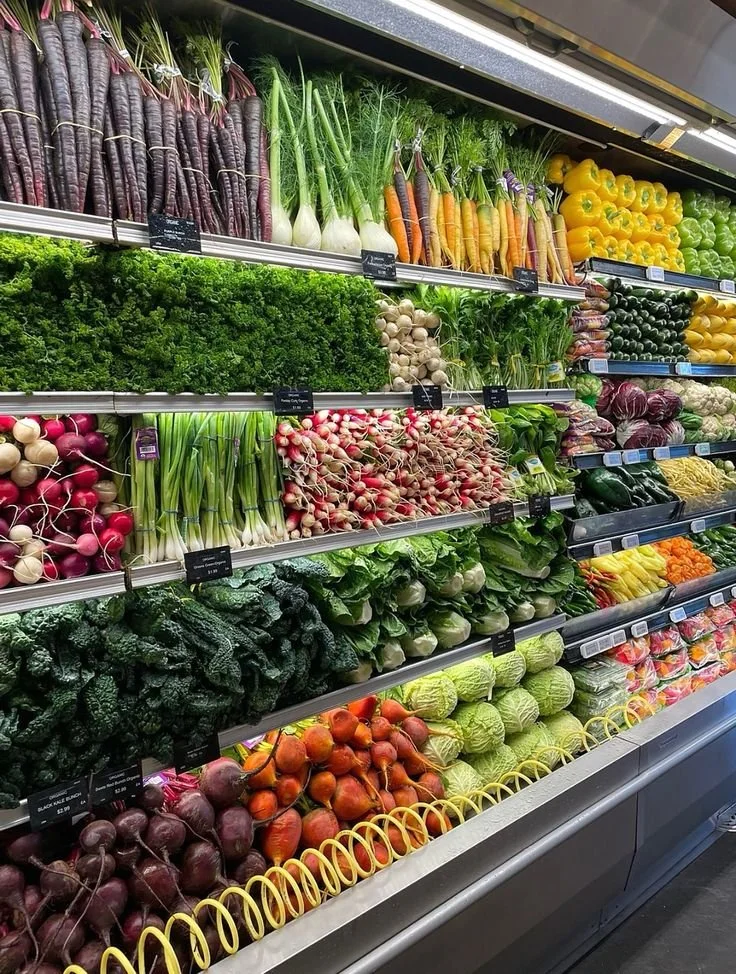
Pictures from Getty Images
In the traditional retail landscape, grocery is a low-margin utility. Yet, Erewhon has executed a strategic pivot that stands out, reaching an enviable $2,500 in sales per square foot (Modern Retail, 2022).
Our latest case study explores the S.A.S.S.S. Framework, the psychological engine behind the world’s most expensive grocery store.
The Sensory Sanctuary
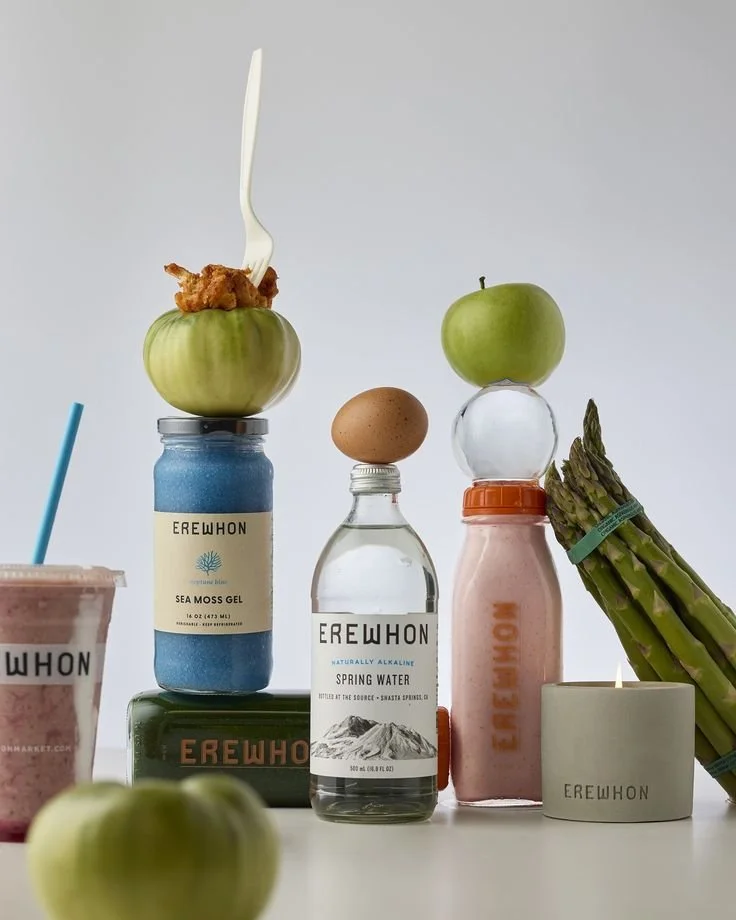
Picture from Bloomberg article
Erewhon has mastered "Sensory Engineering." By investing in aesthetic precision and Instagram-native architecture, they have turned their customers into an unpaid global marketing department. When an environment signals high value, the cognitive dissonance of paying a premium vanishes. You aren't just buying food; you are purchasing a ticket to an aesthetic sanctuary.
The Rise of the Liquid Accessory
The celebrity smoothie is the cornerstone of Erewhon's Association strategy. By treating functional beverages as "drops" (much like streetwear brands), they capitalise on the "Lipstick Effect." A $20 smoothie is a manageable entry point into an aspirational lifestyle, offering a dopamine hit and social validation that lasts far longer than the drink itself.
Scarcity and Social Currency
With only 11 locations in hyper-exclusive zip codes, Erewhon maintains a Geographic Moat. This physical gatekeeping, paired with a tiered membership program, creates an "Us versus Them" dynamic. In the digital age, shopping at Erewhon is a non-verbal cue, a form of Social Currency that signals alignment with aesthetic discipline and affluence.
Want the full breakdown?
Explore our 15-page deep-dive into the Erewhon model, including:
The unit economics of the celebrities’ collaborations.
"The Erewhon Standard": How product integrity creates a brand halo.
Future Outlook: Can the scarcity model survive national scaling?
